

Conditions

Corneal transplantation

When the cornea has been damaged by disease, injury or genetic conditions, a transplant can restore clear vision and comfort — often dramatically.

Young adult at a corneal examination

Modern lamellar & full-thickness transplants

Mr Panthagani performs both full-thickness (penetrating keratoplasty) and partial-thickness lamellar transplants, including DMEK and DSAEK for conditions affecting only the inner corneal layer, and DALK where the surface is damaged but the inner layer is healthy.

Modern lamellar techniques have dramatically shortened recovery, reduced the risk of rejection, and delivered better visual outcomes than a full-thickness transplant in many cases.
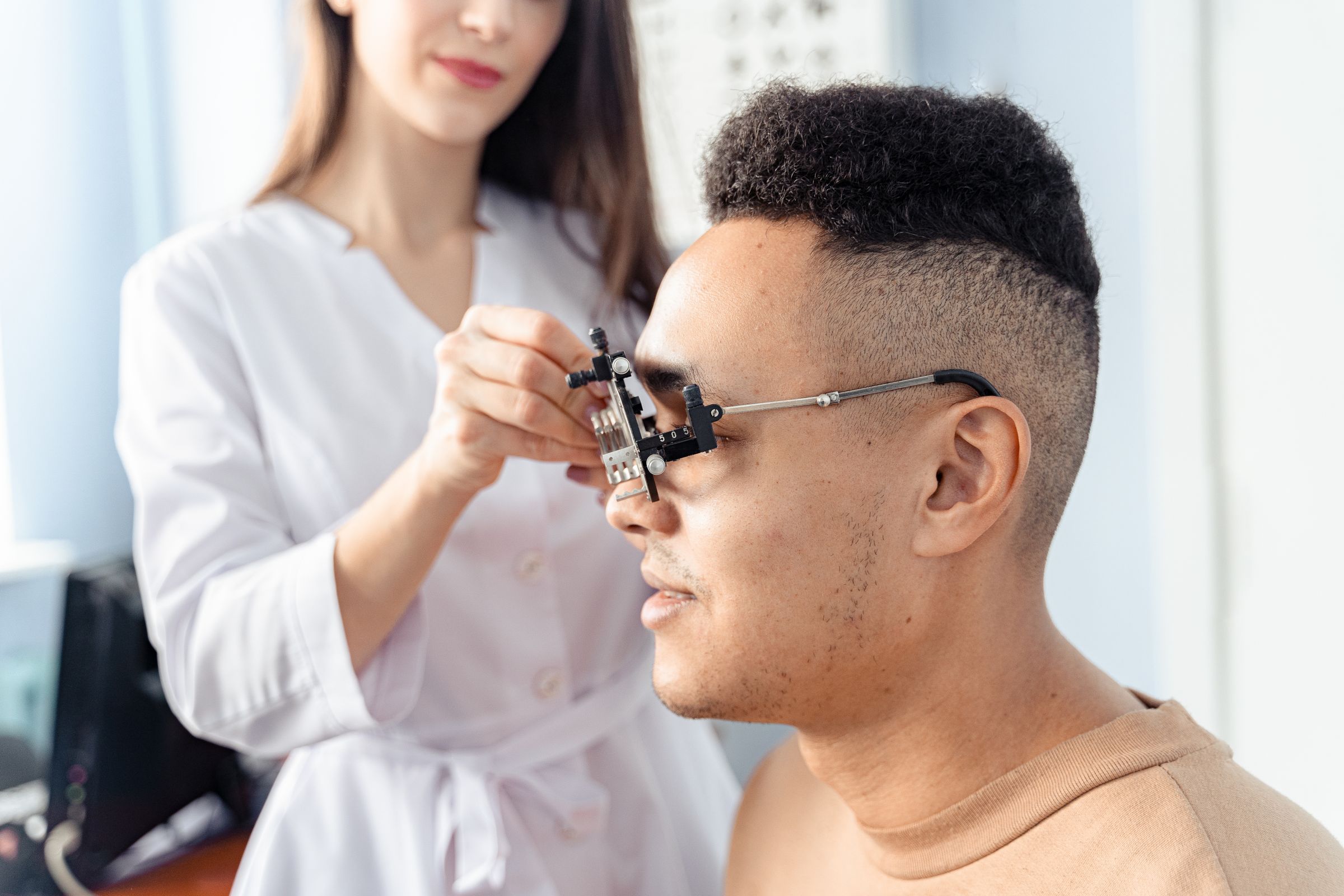
Young adult being assessed for corneal treatment

When a transplant might be recommended

Corneal transplantation is considered when the cornea is scarred, swollen or misshapen in a way that can’t be corrected with glasses, contact lenses or less invasive surgery. Common indications include Fuchs’ endothelial dystrophy, advanced keratoconus, scarring from infection, and complications from previous eye surgery.

Not everyone with corneal disease needs a transplant — we’ll explore every alternative first.

Frequently asked questions

Where does the donor tissue come from?
Corneal grafts in the UK come from carefully screened donors via NHS Blood and Transplant’s eye banks. Every graft is rigorously tested for safety and quality before it is released for surgery.
What's the difference between DMEK, DSAEK, DALK and a full-thickness transplant?
They differ in how much of the cornea is replaced. DMEK and DSAEK replace only the thin inner layer — ideal for conditions like Fuchs’ dystrophy — with faster recovery and lower rejection risk. DALK replaces the outer layers while keeping your healthy inner layer, often used in keratoconus. A full-thickness transplant (penetrating keratoplasty) replaces the whole cornea and is reserved for cases where every layer is damaged.
Will a transplant restore my vision completely?
Most patients gain a significant improvement in vision and comfort, though the final result depends on the underlying condition and the health of the rest of the eye. Glasses or a contact lens are sometimes still needed to fine-tune vision after the graft has settled — we’ll give you a realistic, personalised expectation before any decision is made.
How long does recovery take?
It varies by technique. Modern lamellar transplants (DMEK/DSAEK) often restore useful vision within weeks. Full-thickness transplants heal more slowly — vision typically improves over months, and sutures may stay in place for a year or more. Throughout, you’ll be followed up personally by Mr Panthagani.
What is the risk of rejection?
Rejection is possible with any transplant, but modern partial-thickness techniques have reduced the risk substantially — for DMEK it is low indeed. Steroid drops protect the graft, and if rejection is caught early it can usually be reversed. You’ll know exactly which warning signs to look out for: redness, sensitivity to light, vision changes or pain.
How long does a corneal transplant last?
Many grafts last for decades, and some for life. Longevity depends on the underlying condition and the type of transplant — something we’ll discuss openly at your consultation.
Is the surgery painful?
No — surgery is performed under local or general anaesthetic depending on the technique and your preference. Some scratchiness and light sensitivity in the first days is normal and settles with drops.
Do I definitely need a transplant?
Not necessarily. Many corneal conditions can be managed with drops, specialist contact lenses or smaller procedures — a transplant is only recommended when the cornea is scarred, swollen or misshapen beyond other correction. We’ll always explore every alternative first.

Considering a corneal transplant?

Book a detailed assessment with Mr Panthagani to discuss the right approach for your eyes.

Book a Consultation