

Conditions

Pterygium removal

A pterygium is a benign but visible growth that can creep across the cornea, causing irritation, redness and — if left too long — blurred vision. Surgical removal is quick, permanent, and cosmetically excellent.
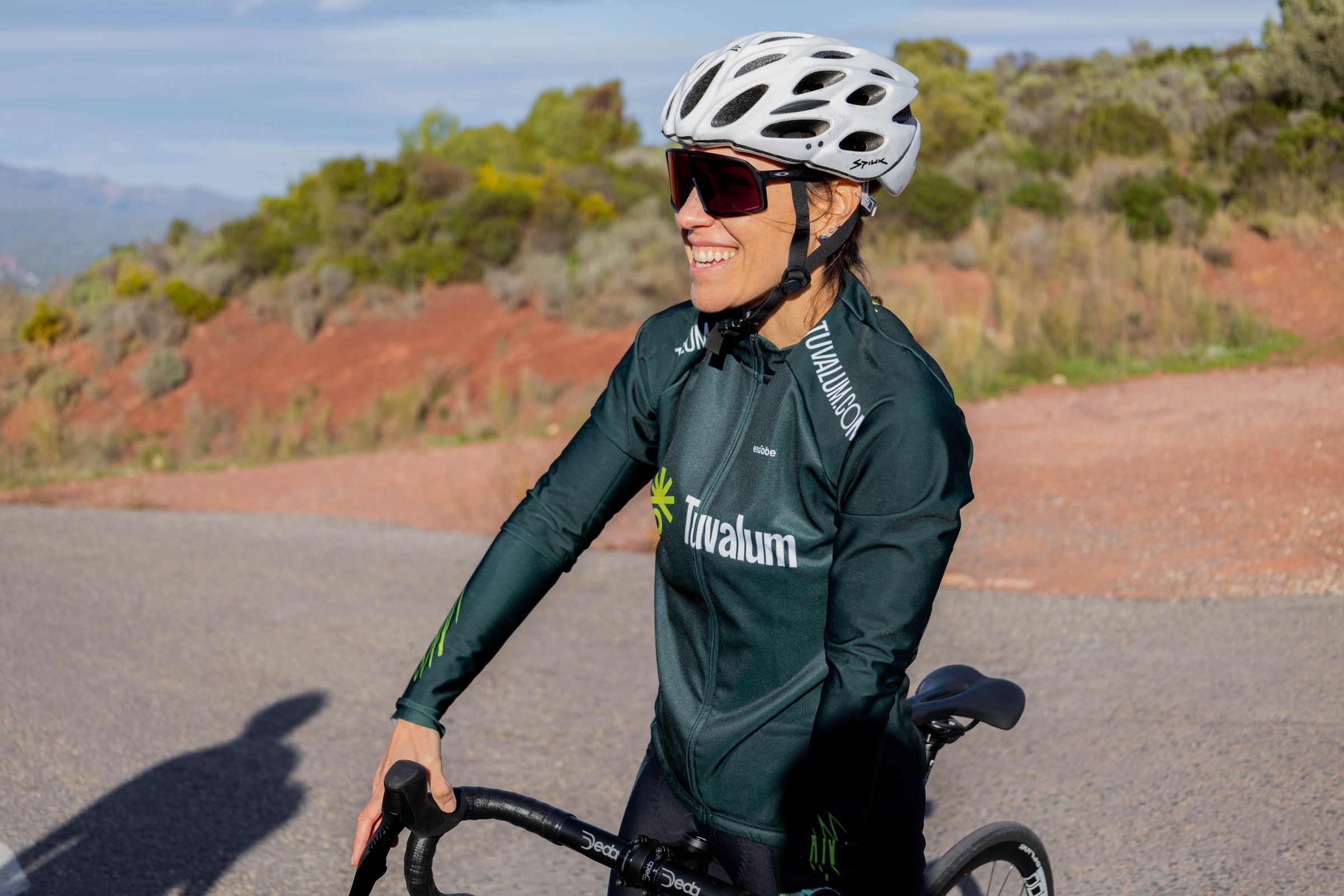
Cyclist wearing sunglasses in bright sunlight

What is a pterygium?

A pterygium (often called surfer’s eye) is a fleshy growth of conjunctival tissue that slowly extends across the white of the eye towards the cornea. It’s strongly linked to UV exposure, wind and dust, and is far more common in people who spend time outdoors.

Most pterygia cause only minor irritation, but larger ones can distort the cornea, induce astigmatism, and eventually affect vision. They can also be cosmetically bothersome.

Gardener enjoying comfortable, clear vision outdoors

Modern removal technique

Mr Panthagani uses a conjunctival autograft technique — removing the pterygium and immediately covering the bare area with a tiny graft of healthy tissue from the patient’s own eye. This approach has dramatically reduced recurrence rates compared to older methods and typically gives an excellent cosmetic result.

The procedure takes around 30 minutes under local anaesthetic. Most patients are back to normal activities within a few days.

Frequently asked questions

Is a pterygium cancerous?
No — a pterygium is a benign (non-cancerous) growth of the eye’s surface tissue. That said, any new or changing growth on the eye should be examined so we can confirm the diagnosis and rule out anything more serious.
What causes a pterygium?
Long-term UV exposure is the biggest factor, along with wind and dust — which is why it’s sometimes called ‘surfer’s eye’ and is more common in people who work or spend a lot of time outdoors.
Does every pterygium need to be removed?
No. Small, quiet pterygia can simply be monitored, with lubricating drops for any irritation. We recommend removal when the growth is advancing towards the centre of the cornea, distorting vision through astigmatism, persistently inflamed, or cosmetically bothersome.
What does the surgery involve?
The pterygium is removed and the bare area is immediately covered with a tiny graft of healthy tissue taken from under your own upper eyelid — a conjunctival autograft. The procedure takes around 30 minutes under local anaesthetic, and you go home the same day.
Will it come back after removal?
The conjunctival autograft technique has dramatically reduced recurrence compared with older ‘bare sclera’ methods — recurrence rates fall from roughly 30–40% to under 5–10%. Protecting your eyes from UV after surgery reduces the risk further.
Is the recovery uncomfortable?
Your eye will feel gritty and look red for the first week or two — this is normal and settles with drops. Most patients are back to normal activities within a few days, with the redness fading over several weeks to an excellent cosmetic result.
Will my vision improve after removal?
If the pterygium was distorting the cornea and inducing astigmatism, vision often improves once the eye has healed. If it was mainly causing irritation or cosmetic concern, the benefit is comfort and appearance rather than sharper sight.
How can I stop a pterygium developing or returning?
Good UV protection is the single best measure: quality wraparound sunglasses outdoors, a brimmed hat in strong sun, and lubricating drops if you’re regularly in windy or dusty environments.

Concerned about a growth on your eye?

Book a consultation with Mr Panthagani for an expert assessment.

Book a Consultation